Maria and Josue closed on a small brick house in Hickory Hill in February, three weeks before the first serious hail of the season. By the time the gutters had finished draining that afternoon, two trucks sat at the curb and a friendly man with a clipboard was explaining that his crew could handle everything with the insurance company. They did the sensible thing and closed the door politely, then started looking up roofing companies memphis tn homeowners could still reach a year later. The argument of this piece is plain: for a family new to American contractor and claim norms, a licensed local roofing and restoration company that documents the damage properly and explains each step in ordinary language costs far less trouble than the crew that arrived first.
The Knock Comes Before The Gutters Drain
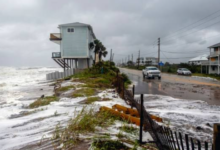
Storm chasing is a genuine business model, not neighborhood gossip. Crews follow hail tracks across state lines, sign as many contracts as they can inside ten days, hand the labor to whoever is available, and are gone long before somebody calls about a leak in September. What we see most often after a Mid-South hail event is a mix of both: a couple of legitimate out-of-town crews doing real work, and a lot of trucks belonging to companies that were registered in April.
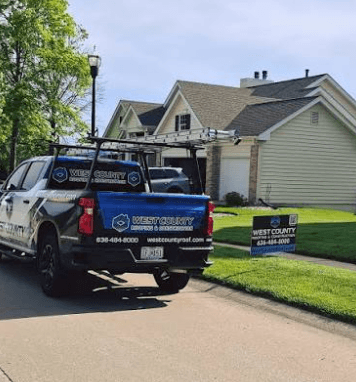
Ask for a physical address, not a truck. A company still answering its phone next spring usually has one in this county.

The tell is rarely the pitch, because the pitch is polished. It is what happens when you ask a slower question, like who pulls the permit, which crew does the tear-off, and what the plan is if the decking underneath turns out to be rotted. A local company answers all three without stepping away to phone someone. And if anyone offers to make your deductible disappear, treat that as a claim about how insurance billing works in Tennessee that you should verify with your own carrier before signing a single page.
A Real Inspection Covers More Than Shingles
Granules piling up in the downspout are a symptom, not a diagnosis. A real inspection covers the field of the roof, the metal flashing at the chimney and in the valleys, the vents and pipe boots, the soffit line, and then it moves indoors to the attic sheathing, the ceiling stains, the closet corner where water tends to show itself first. Hail does not damage every component at the same rate. On a 1970s ranch house in Hickory Hill, what usually turns up first is bruised pipe boots and dented vents rather than the dramatic sheet of missing shingles people picture.
Gutters get overlooked, which bothers me more than it probably should, since aluminum that hail has dented gives you a free reading of how hard the storm actually hit. Same story with the mailbox and the fins on the air conditioner. That is a detour about sheet metal, though, and the real point is that a careful inspector photographs all of it, ties every photo to a slope and a compass direction, and hands you that file whether or not you hire the company.
The Estimate Words That Confuse New Buyers
Insurance estimates run on their own vocabulary, and nobody hands you a glossary at closing. What adjusters call ACV, meaning actual cash value, is the depreciated worth of your roof as it stands today rather than the price of a new one, while replacement cost value is the full amount, and most policies release the difference only after the work is finished and invoiced. So a first check that looks far too small is frequently not a denial. It is the front half of the payment, with your deductible subtracted.
Say the policy carries a $2,500 deductible, a common figure on a first house in this price range. That money is yours to pay no matter which company does the work, so an estimate that quietly erases it deserves a phone call to your carrier rather than a signature. Ask any contractor to read the estimate with you line by line, out loud, including every abbreviation on it.
Where Claim Timelines Usually Slow Down
Claims have grown more expensive, and that changes how closely they get reviewed. Claims Journal reported in July 2026 that all peril property claim severity reached an all time high in 2025, up 25.9% in a single year and 93.2% above 2019, even as claim frequency dropped 23.8%. Fewer claims, much larger checks. In practice that means the adjuster visit is scheduled around a queue, and any later request for items the first estimate missed gets a genuine second look instead of a rubber stamp.
The other place things stall is documentation. A file carrying dated photographs, slope diagrams, moisture readings and a written scope moves faster than a one page bid with a lump sum at the bottom, because an adjuster can check it against their own notes without guessing. Job after job, the gap between a three week claim and a three month claim is simply who wrote things down.
What The First Month Usually Looks Like
Here is the usual shape of it. In the first week you file the claim, get an inspection on the calendar, and tarp anything actively leaking. Week two is normally the adjuster meeting, which goes better when your contractor is standing there holding the same photographs. By the third week you should have a written scope, a decision on the first payment, and materials ordered if the replacement is approved. Most straightforward Memphis tear-offs are dried in within 30 days of approval when the weather cooperates, and the final invoice releasing depreciation follows once the job is documented as complete.
One rule sits outside all of that scheduling. Never climb up to look at storm damage yourself, and that goes double for a roof that is wet, hail struck or freshly loosened by wind. Assess it from the ground, use binoculars or the zoom on your phone from the driveway, and let a trained inspector be the person on the ladder. Even for working crews, OSHA’s roofing safety publication advises employers to consider suspending roof operations in high winds, wet weather, and icy conditions, because those surfaces turn slippery fast. If water is coming in hard enough that you feel pressure to go up there, call a company with 24/7 emergency response and let them tarp it.
See also: Hardware Innovation Startingblockonline: Transforming Technology
Paperwork Separates Local Crews From Chasers
Read everything before the truck pulls away. A contract naming the crew, the materials, who pulls the permit and how payments are staged protects a first time buyer more than any warranty speech, and a signed contract has a long memory. Be careful with authorization forms that hand your claim over to a contractor to represent, ask exactly what you are giving up, and check with your insurer first, since those forms are treated differently from state to state.
Families who come through a first storm season intact are rarely the ones who found the cheapest bid. They are the ones who waited two days, took the estimate to someone willing to explain it, and hired from the short list of roofing companies Memphis TN neighbors actually name when asked. The deductible is the same either way. What changes is whether a company is still in town to answer when the next spring line rolls through, and whether the file you built holds up when it does.