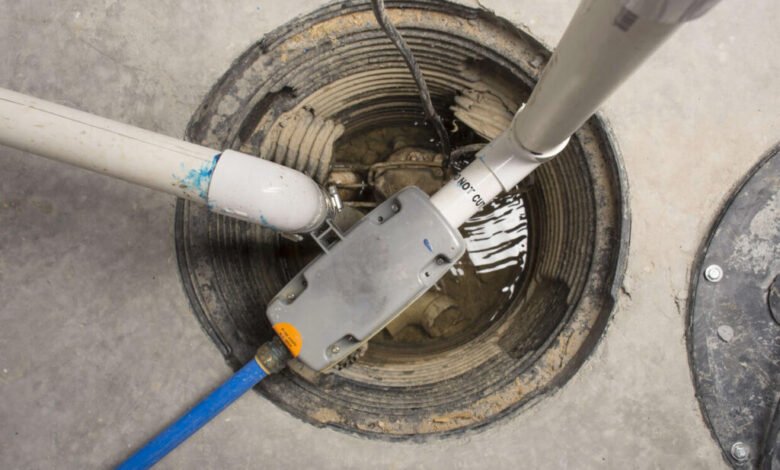
You are lying in bed listening to the rain hammer against the roof, and you find yourself straining to hear that familiar thud and hum of the sump pump in the basement. It is a stressful way to spend a stormy night. If you want to stop holding your breath every time the clouds turn gray, you need to look at more than just the pit itself. Westland Heating, Air Conditioning & Plumbing Services knows that your pump is only as good as its exit strategy. Your discharge line is the unsung hero of your flood prevention system, and it usually gives off plenty of warning signs before it fails you completely.
The Visual Inspection: Where is the Water Going?
The first thing you should do is walk outside while the pump is actually running. It sounds simple, but you would be surprised how many people never check the pipe’s terminus. You want to see a steady, forceful stream of water exiting the line. If the water is just trickling out or bubbling up weakly, you likely have a partial clog or a pump that is losing its prime.
Check the exit point for debris, such as mulch, leaves, or even small animal nests. If your line drains into a bubbler pot or a dry well, make sure the lid is clear. If the water cannot get out of the pipe, it will back up into the basin, forcing your pump to work twice as hard for half the results. This extra strain is the leading cause of motor burnout right when you need the system most.


Listening for the Gurgle and the Thud
Your ears are often better diagnostic tools than your eyes. When the pump cycle ends, listen closely to the pipes. Do you hear a massive “thud” that shakes the plumbing? That is often a sign of water hammer, which happens when the check valve snaps shut too violently. Over time, this vibration can loosen joints in the discharge line, leading to leaks inside your home.
On the flip side, if you hear a long, drawn-out gurgling sound or the sound of water rushing back down the pipe into the pit, your check valve might be stuck open. This is a huge problem because it means the pump has to empty the same three gallons of water over and over again. It wastes electricity and wears out the mechanical components. If you notice the pump cycling every two minutes despite moderate rain, it is time to look into an emergency sump pump repair to get that valve swapped out before the motor gives up the ghost.
Identifying Belly and Sag Issues
A discharge line should always have a consistent slope away from the house. Because the ground settles over time, buried lines can develop a “belly.” This is a low spot where water sits instead of draining away completely. In the summer, this stagnant water grows algae and attracts roots. In the winter, it becomes a solid block of ice.
If you have an exposed line running across your yard, check the hangers and supports. If the pipe is sagging, the pump has to push against the weight of that standing water every time it starts up. This “dead head” pressure is a silent killer for sump pumps. Ensuring a straight, downhill path is the easiest way to extend the life of your equipment.
The Importance of the Air Gap
One of the most common mistakes homeowners make is attaching a long, flexible hose directly to the hard PVC pipe coming out of the house. During a freeze or a heavy silt event, that hose can clog or freeze solid. Without an air gap or a relief “Y” pipe near the foundation, the water has nowhere to go but back into your basement through the pump seals.
A proper discharge setup includes a gap that allows water to spill out onto the ground outside if the main underground line becomes obstructed. It might make a temporary mess of your flower bed, but a muddy garden is a lot cheaper to fix than a finished basement full of gray water.
Final Thoughts
Taking twenty minutes to walk your property and listen to your plumbing can save you thousands of dollars in water damage. If your discharge line is sputtering, vibrating, or leaking at the joints, do not wait for the next atmospheric river to hit your neighborhood. The team at Westland Heating, Air Conditioning & Plumbing Services is always ready to help you tune up your system or reroute a failing line so you can finally sleep through a thunderstorm in peace.