Your ducted air conditioning blasts cold air into empty bedrooms all day while you’re sitting in the living room. Meanwhile, your energy bills keep climbing because the system cools your entire house whether you need it or not.
Sound familiar? Well, lucky for you, a proper ducted AC zoning can fix this. It divides your home into separate areas you control independently, so you only heat or cool the rooms you use.
After installing hundreds of these systems across Brisbane, we’ve seen families cut running costs by about 33%. Our team at https://gtallen.com helps homeowners get better climate control without the waste, and we’re going to show you how to get the same results.


This article covers how zoning works with your air conditioner, the energy savings you can expect, and whether your home needs it. You’ll know if zoning makes sense for your place and budget.
Ready to stop cooling empty rooms? Let’s go.
What Is Ducted AC Zoning?
Ducted AC zoning divides your home into separate temperature zones using motorised dampers that control airflow to different rooms independently.

In a nutshell, zoning adds motorised dampers inside your ductwork that open or close based on which rooms need air conditioning. Your indoor unit sits in the roof cavity or ceiling space, pushing indoor air through ducts to each zone. The dampers work like gates that either allow or block the flow of heated air or cool air to specific areas.
From there, your home splits into sections. Bedrooms become one zone, living areas another, maybe the kitchen gets its own zone too. Each zone gets its own thermostat or controller so that you can set different temperatures room by room.
While the outdoor unit handles the cooling and heating, the dampers inside manage where that climate control goes. This setup means you adjust comfort in each area without affecting the rest of your ducted air conditioner.
Energy Efficiency That Saves You Money
Zoning slashes your electricity bills because you only cool or heat the rooms you use throughout the day.
Think about it this way: the air conditioning system doesn’t need to pump cold air into four empty bedrooms while you’re working in the home office. So the outdoor unit runs less, and your energy consumption drops without you changing a thing.
Get the full picture in the table below to see what zoning saves:
| System Type | Daily Running Hours | Monthly Energy Use | Estimated Annual Cost |
| Non-Zoned Ducted System | 8-10 hours (whole house) | 450-600 kWh | $1,800-$2,400 |
| Zoned Ducted System | 5-6 hours (active zones only) | 280-360 kWh | $1,100-$1,450 |
| Annual Savings | 3-4 hours less daily | 170-240 kWh less | $700-$950 |
The difference shows up fast. We’ve seen families who zone off three bedrooms during work hours cut their energy use by roughly one-third.
And here’s where those savings really come from:
Lower Running Costs From Targeted Cooling
Targeted cooling means your air conditioner works on smaller areas instead of blasting the entire house.
Your AC only cools the occupied rooms instead of running the entire ducted system at full capacity constantly. This way, the air conditioner uses less electricity when three zones stay closed throughout the day.
Reduced Strain on Your Air Conditioner
In our experience, zoning makes ducted systems last longer. It’s mostly because your setup works on smaller areas at once, cutting compressor runtime significantly.
And less strain means your ducted air conditioning lasts 18-20 years instead of the typical 12-15 years. Plus, fewer breakdowns and repairs save you money over your air conditioner’s lifetime.
Real Numbers on Energy Savings
Brisbane homes with zoning report lower electricity bills during peak summer and winter months. When a typical 150-square-metre home saves $45-$65 monthly with proper zone management, that’s $540-$780 back in your pocket every year.
Those numbers add up when you factor in reduced strain on your heating and cooling equipment. The system operates efficiently for short periods in each zone rather than running full blast across your entire house. So more energy stays in your wallet instead of getting wasted on empty rooms.
But energy savings only tell half the story. Different people need different comfort levels, and that’s where zoning really works for families.
See also: Does Verizon Home Internet Have Data Caps: Verizon Home Internet Data Cap Information
Different Rooms, Different Comfort Levels
In a home with zoning, each room maintains its own temperature setting, so bedrooms stay cooler while living areas run warmer. Makes sense, right?
Not everyone in your house wants the same climate control at the same time. Your partner might want warm air in the living room while you prefer cooler temperatures in the bedroom. And then kids need different comfort levels than adults do.
Here’s how zoning lets each person get comfortable:
Personal Temperature Preferences in Every Room
Zoning ends thermostat wars because everyone gets their preferred temperature. If you’re like most families, you’ve probably faced these battles too:
- Dad wants 22°C in the master bedroom, while the kids sleep better at 24°C in their rooms
- Teenagers blast cold air in their bedrooms, but you keep the main areas at a moderate setting
- Guests staying in the spare room prefer warmer temperatures than what you usually run
Each zone handles these different rooms without anyone compromising, since each thermostat controls its assigned area independently.
Day and Night Usage Patterns
Why cool empty bedrooms all day while you’re in the living room? Well, there’s no point wasting that energy.
Most families spend their daytime in common areas, needing climate control from 6 am to 10 pm. So switch bedroom zones on at 8 pm and shut down living zones to cut nighttime running costs.
Pro Tip: Weekend patterns differ completely from weekdays, which means your zoning schedule needs adjusting based on when you’re actually home. And honestly, single-room heating or cooling only where you need it delivers better energy savings than running your entire house at one temperature.
How Zoning Works With Your Ducted Air System
As we already mentioned, zoning uses motorised dampers inside your ductwork that open and close to control airflow to each room independently. In practice, the setup is pretty easy to understand, and the retrofit process fits most homes without major changes.
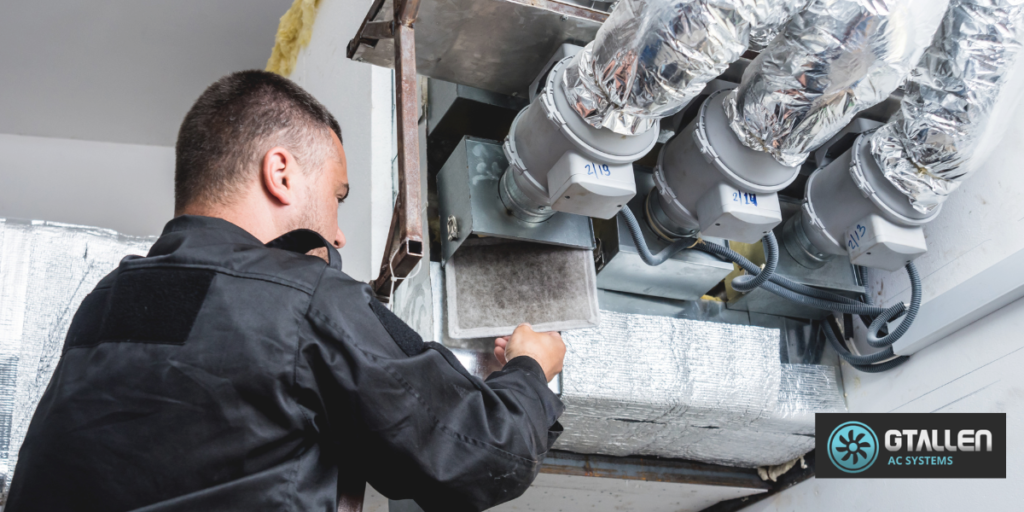
Let’s break down what happens inside your ducted air conditioner:
- Dampers and Ductwork: Motorised dampers fit inside your existing ductwork and open or close individual room vents from a central controller. The outdoor unit keeps running as normal while dampers regulate where the heated air or cool air flows.
- Zone Control Connection: The indoor unit responds to signals from each zone’s thermostat and tells the dampers which rooms need air conditioning. This gives you greater control without touching multiple thermostats around your house.
- Smart Control Options: You can adjust zones from your phone or set schedules for automatic changes from anywhere. That means switching bedroom zones on before you get home from work or programming different settings for weekends versus weekdays. Some systems work with voice control, too.
- Retrofit Compatibility: The external wall mounting for the outdoor unit stays the same, so there’s no major construction work needed. No need to replace anything either. The existing indoor unit handles the workload, and adequate ventilation remains unchanged since you’re just controlling where air flows.
So whether you have reverse-cycle air conditioners or a heating-only system, zoning adapts to what you’ve already got installed. Now the question becomes: does your home actually need zoning, or is it overkill?
Is Zoning Worth It for Your Home?
Yes, if you have a home over 120 square metres with rooms that sit empty during the day or night.
Based on our research, homes with four or more rooms (over 120 square metres) see the biggest energy efficiency benefits from zoning. This happens because larger homes waste more energy cooling or heating spaces nobody uses.
If you’re in a compact home under 100 square metres and need basic temperature control, gas heating, or evaporative unit setups might work for your budget. But for larger homes where rooms need varying temperatures at different times, zoning delivers better comfort and lower running costs down the track.
Also, compared to evaporative coolers or portable air conditioners, zoned ducted systems give you exact climate control year-round. The reason comes down to flexibility and coverage.
Other heating and cooling options have major limitations:
- Gas heaters and unflued gas heaters only handle heating, not cooling
- Wood heaters create air pollution and need constant fuel
- Wall units and multi-split setups work for single rooms or small rooms
Meanwhile, with zoning, you get both heating and cooling in every room, zero emissions from burning fuel, and complete control over your entire house from one system. That’s the difference between patching together separate solutions and having proper climate control built in.
Zone Your Way to Better Comfort
Zoning gives your ducted air the flexibility to match how you actually live in your home.
At the end of the day, you’re getting better climate control and lower energy bills without sacrificing comfort in any room. Instead of working harder, the air conditioner works smarter, which means less wear on the equipment and more savings in your pocket.
Check your current ducted system to see if retrofit zoning works or if you need upgrades. Our team at GT Allen can assess your setup and show you exactly what zoning would cost for your home.
Get in touch with us today.