February Roofing ROI: How Sealing Roof Leaks And Draft Points Can Cut Heating Costs Without An Insulation Project


February can be a tough month on both your roof and your heating budget. Cold winds, melting snow, and freeze-thaw cycles push every weak spot to show itself. It is also a perfect time to think about how small repairs, not just big projects, can pay off for homeowners who trust The Guild Collective with their roof.
Why Winter Leaks And Drafts Hurt Your Wallet
When your roof leaks, you usually picture water stains on the ceiling. But long before you see a brown spot, that leak is often moving air as well as moisture. Warm indoor air slips out, and cold outdoor air sneaks in through the same paths.
Every bit of warm air that escapes has to be replaced. Your furnace pulls in more cold air, heats it, and sends it back through your vents. The more leakage you have, the more often your system has to run.
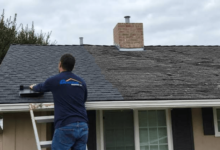

Finding The Hidden Roof Leak Sources
Not all leaks show up as dripping ceilings. Some start as small seeps at nail holes, flashing edges, or worn sealant around vents. In cold months, those weak points can open and close as materials expand and contract.
Around chimneys, skylights, and plumbing stacks, flashing is supposed to divert water. When flashing rusts, bends, or pulls loose, wind-driven rain and snowmelt can slip under it. That moisture can dampen wood and insulation without showing on the surface right away.
Shingles that have cracked, curled, or blown off leave the roof deck exposed. Even if you do not see water indoors yet, wind and cold air now have a direct path under your roof surface. Catching these issues in February prevents them from becoming major repairs later.
Draft Points You Can Feel Inside
Some of the most important gaps are ones you can feel from inside the house. Look at the ceiling around recessed lights, attic hatches, and pull-down stairs. If you feel cold air or see dust rings, air is moving through those openings.
Hallways that lead to attic access often feel cooler than nearby rooms. That is a sign that the opening is not sealed well. Even a small gap around the edges of the hatch can act like a chimney for warm air.
Walls and ceilings that border unheated spaces, such as garages or porches, can be another source of drafts. If those areas connect to the roofline, leaks in roofing or framing joints above can pull warm air away. Paying attention to where your home feels uncomfortable helps pinpoint where air is escaping.
How Sealing Roof Penetrations Helps
Every object that pierces your roof creates a potential path for air and water. Vents, pipes, satellite mounts, and old hardware can all leave small gaps. Over time, caulk and rubber seals age, crack, and stop doing their job well.
Refreshing or replacing these seals blocks the direct openings between your attic and the outside. When that top layer is tightened, you slow down the flow of heated air out of the house. This is one of the simplest ways residential roofing work can affect your heating bill.
Well-sealed penetrations also protect the materials below. Dry wood and insulation perform better and last longer. That means you are not just saving energy now; you are guarding against future rot and mold.
Why This Works Even Without New Insulation
Real savings only come with a full insulation upgrade. While insulation is important, stopping air movement alone can have a noticeable impact. Heat loss through air leaks is often a much bigger piece of the problem than people expect.
Think about wearing a decent sweater on a windy day versus a flimsy coat that blocks the breeze. The item that stops the wind will usually keep you warmer. In your home, new insulation is the sweater, but sealing leaks is the windbreaker.
By focusing on leaks and draft points, you tackle the most wasteful paths first. You keep the heat you are already paying for inside longer. That can trim heating costs even before you touch the insulation depth in your attic.
The Return On Investment In February
Energy savings are most noticeable when your heating system is working hardest. That makes February a prime time to see the benefits of sealing work. Once gaps are closed, your furnace does not have to run as often to maintain the same temperature.
Along with lower fuel or power use, you gain comfort. Rooms feel more even, ceilings are less chilly, and cold spots start to fade. You also avoid the hidden costs of ignoring small leaks. Water that sneaks in can damage framing, drywall, and finishes over time.
Conclusion
Sealing leaks and draft points is a smart move for any homeowner looking to watch costs this winter. The work is often quick, the benefits are immediate, and the protection lasts beyond the season. For thoughtful guidance and careful repairs, many homeowners trust The Guild Collective to help them get more comfort and value from every heating dollar.